Off-Grid PioneerAmy Jay:How She Ditchedthe Grid for Freedomin the BritishColumbia Mountains
Read aloud by your device. Quality depends on your browser's voices.
Off-Grid Pioneer Amy Jay: How She Ditched the Grid for Freedom in the British Columbia Mountains
An interview with Off Grid Living & Survival group member Amy Jay, on how she and her partner built their off-grid dream.
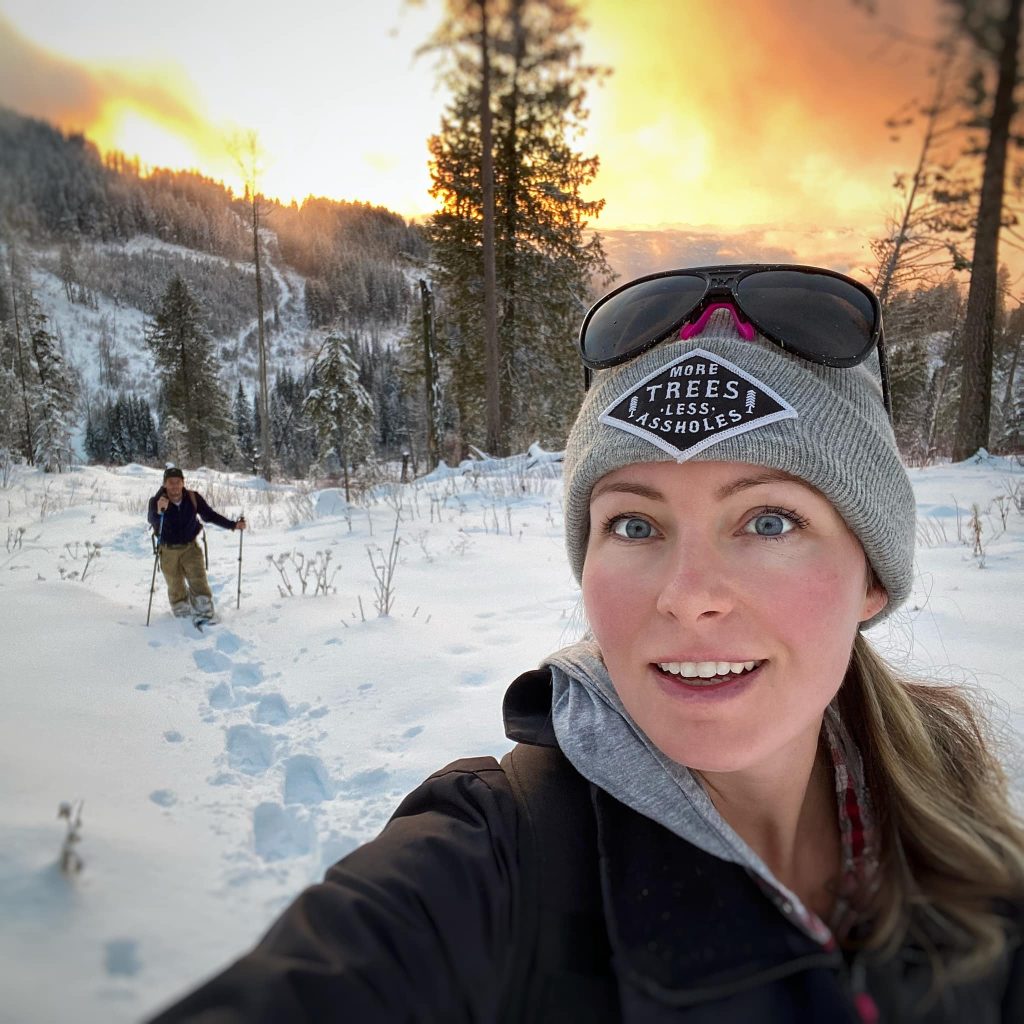
In the rugged embrace of British Columbia’s subalpine peaks, Amy Jay has forged a life of profound self-reliance, far removed from the urban clamor that once defined her days. For over five years, this former oilsands tradesperson has thrived off-grid in a modest 20-foot shipping container home, augmented by a 16-foot addition, powered by solar panels, heated by firewood, and sustained by a natural spring.
Her journey, born from a pandemic-fueled craving for solitude and immersion in nature, exemplifies the ingenuity and resilience at the heart of off-grid living—a deliberate pivot from claustrophobic city townhouses to a mountain homestead where animals roam, gardens emerge from manure-enriched soil, and every challenge yields lessons in adaptation.
In this candid interview, conducted by Eric Wichman (@ericwichman), Amy pulls back the curtain on her improvised transition, revealing the raw truths behind the romanticized ideal. From hauling water uphill in summer IBC totes to melting snow in winter, raising rabbits, chickens, and ducks for meat, and foraging wild edibles like stinging nettle and lamb’s quarters, she paints a vivid picture of a lifestyle that covers 70% of her protein and 40% of her vegetables through sheer resourcefulness.
Funded by a decade of savings from high-stakes trades work, her setup eschews expensive wells for creative water management, embraces a simple outhouse, and relies on a positive attitude as the ultimate essential system—because, as she notes, everything else fails eventually.
Yet Amy’s reflections delve deeper, into the philosophical undercurrents of her choice: the empowerment of creative problem-solving, the unexpected sting of online trolls amid digital sharing, and a sharpened critique of consumerism’s waste. She confronts fears—like choking alone—or crises, such as a near-wildfire evacuation and an aggressive bear, with pragmatism and humor.
What emerges is not a survivalist manifesto but a testament to human curiosity and connection—to nature, community, and self. As wildfires loom and seasons dictate rhythms, Amy’s story invites us to question modern conveniences, appreciate infrastructure’s quiet miracles, and ponder our own capacity for simplicity.
Join us in exploring this off-grid odyssey, where isolation breeds strength, and every sunset from a 360-degree vista reaffirms the pursuit of a life truly one’s own.
Getting to Know Amy
Can you please state your name, the state you live in, and how long you’ve been living off-grid?
My name is Amy Jay, I live in British Columbia, and I’ve been living off-grid for over five years now.
What inspired you to live off the grid? Was there a specific moment or reason that pushed you to make this decision?
Living in a townhouse in the Lower Mainland, I was already feeling a little claustrophobic before the pandemic. I’ve always enjoyed nature, and even in the city, I would go for walks and look for wild edible plants tucked into urban spaces.
In 2020, walking suddenly became a popular pastime because of the pandemic, and my favourite trails were filled with people. That’s when I realized I needed a change. I wanted to take my interest in wild edibles and sustainability to the next level and immerse myself fully in the natural world.
Can you briefly describe your off-grid setup and lifestyle?
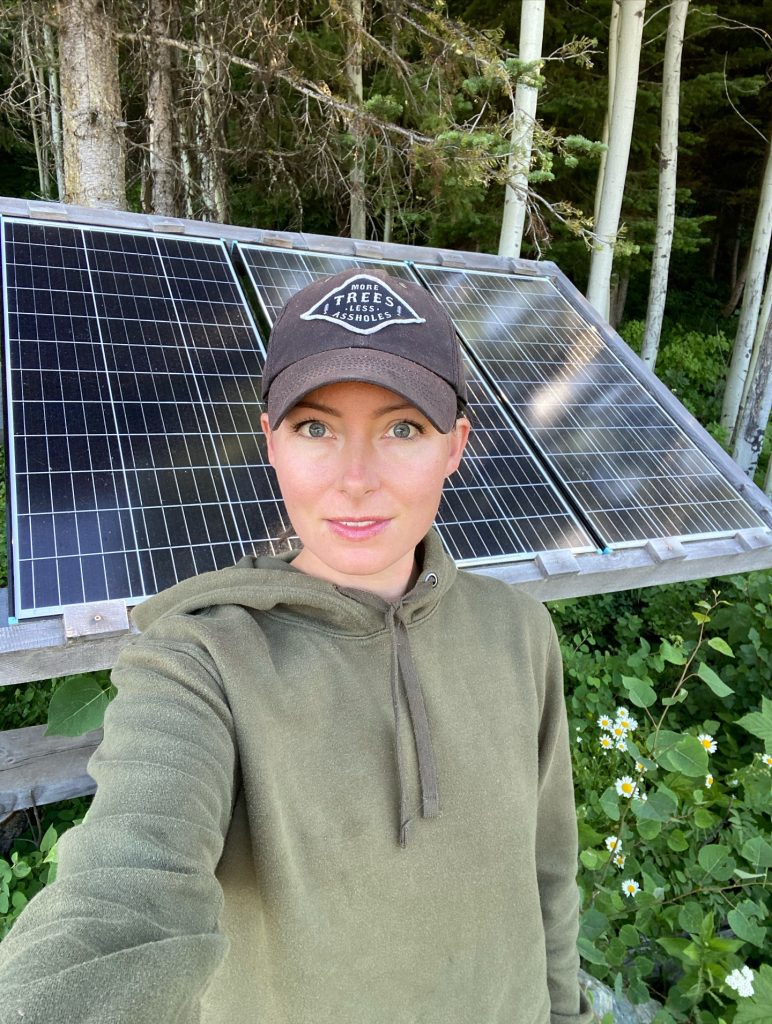
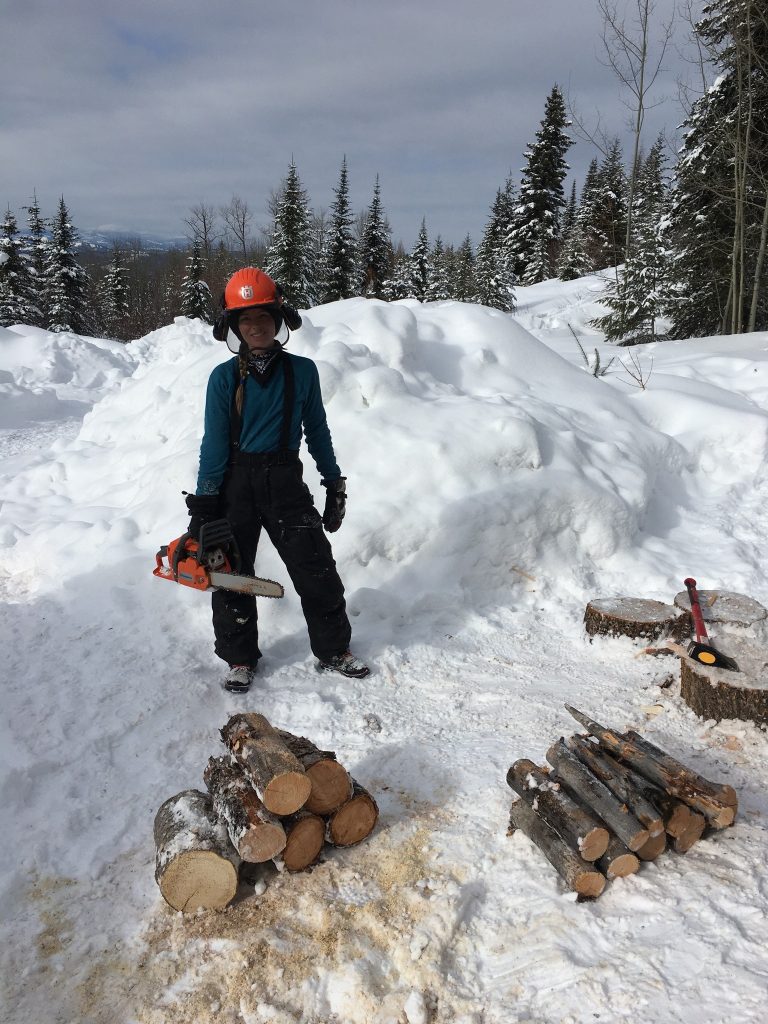
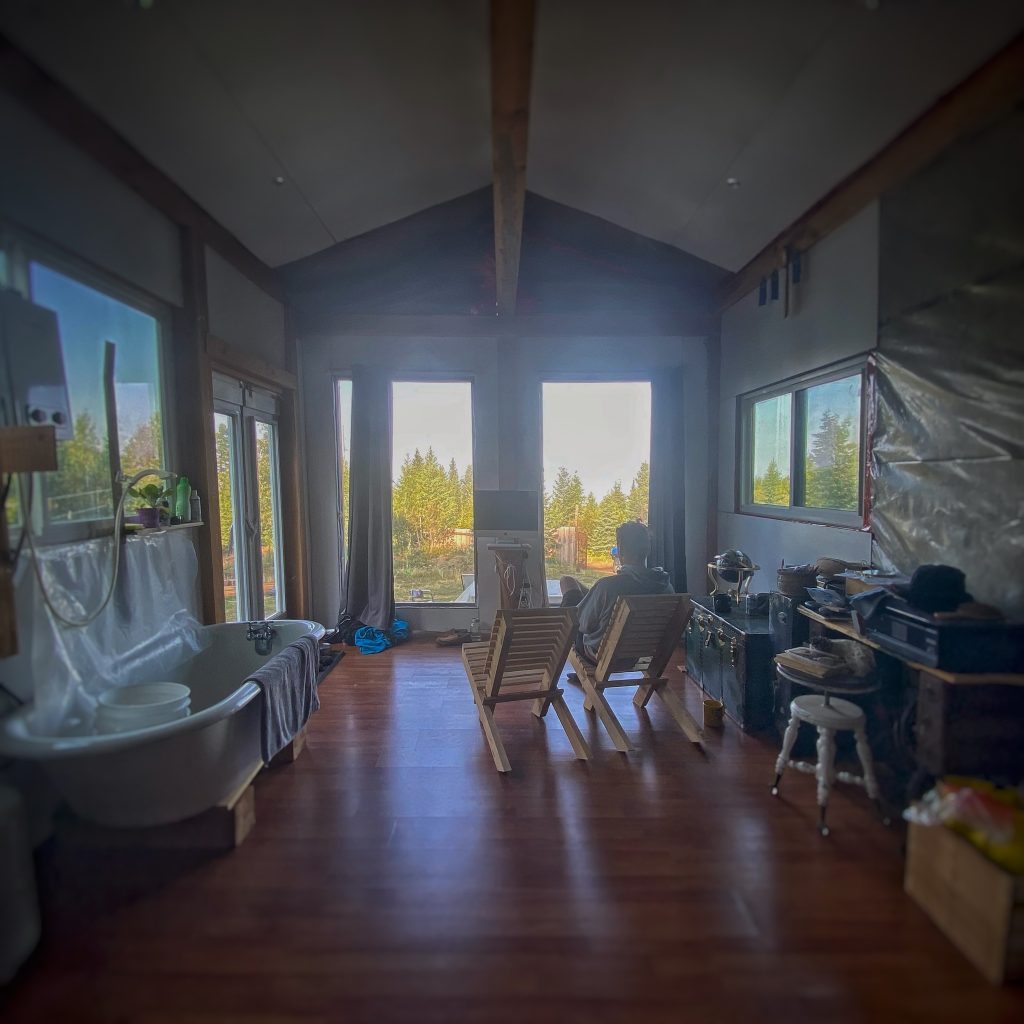
My home is a 20-foot seacan with a 16-foot addition. I heat it entirely with firewood, and water comes from a natural spring. In the summer, we haul the water uphill into IBC totes for gravity feed, and in the winter, we store water indoors. I use a simple outhouse, and power comes primarily from solar panels, with a gas generator for higher output needs.
I also raise animals—rabbits, chickens, and ducks—which contribute to both my food supply and establishing soil for gardens. Life here is about working with the environment, solving problems, and enjoying a slower pace (when possible).
Big Picture Questions
Why did you choose the location where you live off-grid?
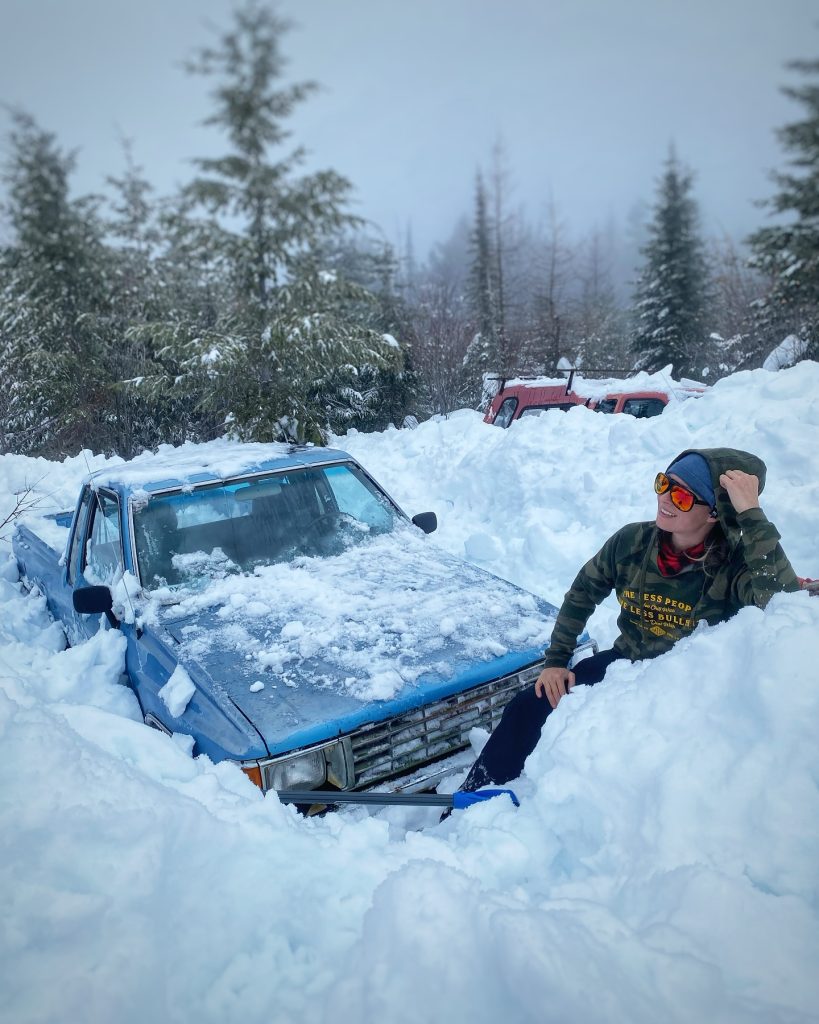
My property is on a mountain peak, which gives me slopes facing all directions which is perfect for different uses. Compared to other places I’ve lived, it’s fairly warm despite the snow we get, and it’s wonderfully remote in winter while still being accessible in summer. I love the combination of isolation and usability.
What was your initial vision for going off-grid, and how does it compare to your current reality?
Honestly, I didn’t even know what “off-grid” meant until someone told me. My initial vision was just to get away, be surrounded by nature, and live simply. Power and running water weren’t priorities for me. Now, after connecting with the off-grid community and learning tips and strategies, I’ve realized there’s an entire lifestyle of ingenuity and adaptation that goes beyond my original plan.
What were your biggest fears or concerns before starting this journey, and how did you overcome them?
It might sound silly, but one of my biggest fears was being alone and choking while eating lunch. When my partner first left for the coast for several days, I realized I had to push past that fear. Facing those small, silly fears taught me that I could handle the bigger challenges too.
Who, if anyone, was involved in your decision to go off-grid (family, friends, mentors)?
Curt and I both had dreams of owning land before we met. When he found a pamphlet for bare land in my apartment, it sparked our conversation and we started searching. We’ve been each other’s biggest inspirations and supporters throughout this process.
What were the biggest challenges you faced in the early stages of going off-grid?
Water has been the most consistent challenge. I don’t want a $50,000 well, so learning to move and store water efficiently has been a huge learning curve.
Did you follow a specific plan or framework when transitioning to an off-grid lifestyle, or was it more of an improvised process?
Totally improvised. We had no idea what we were doing at first, and honestly, I’m glad we didn’t. Flexibility has been key—there are always unexpected problems, and rigid plans often don’t survive real-life challenges out here.
Practical and Logistical Questions
How did you fund your off-grid transition? Did you save up, take loans, or use other resources?
Curt and I are both ticketed tradespeople and worked in the oilsands for over a decade. We saved up specifically with the goal of semi-retiring in town, but the pandemic changed our plans and allowed us to pivot toward off-grid living.
What resources (books, websites, forums, etc.) did you use to learn the skills you needed to live off-grid?
I really recommend the book Back to Basics. Both the original and updated versions are excellent. I also use the internet, even though I try to limit screen time, for researching specific skills and solutions when needed. Blogs and forums are the best resources for first-hand info from people who have done it.
What was the most expensive part of going off-grid, and how did you manage that cost?
Buying the property was the biggest upfront cost. Being remote made it more affordable than land near a city, but it was still a significant investment. After that was the shipping container and getting it delivered, then the solar setup. Though the solar components are expensive upfront, if you compare to the cost of grid-tied power—they’ve probably paid for themselves already.
How long did it take from planning to fully transitioning to off-grid living?
I practiced going off-grid in small ways before fully committing. Doing things like canning and preserving foods, experimenting with a small solar power setup, and going on long camping trips helped begin the mental shift. When it came time to move to the property I jumped in with both feet. I had very little starting out, which really instilled in me that I can live with less if need be.
What equipment or systems are essential to your off-grid setup (e.g., solar panels, batteries, water systems)?
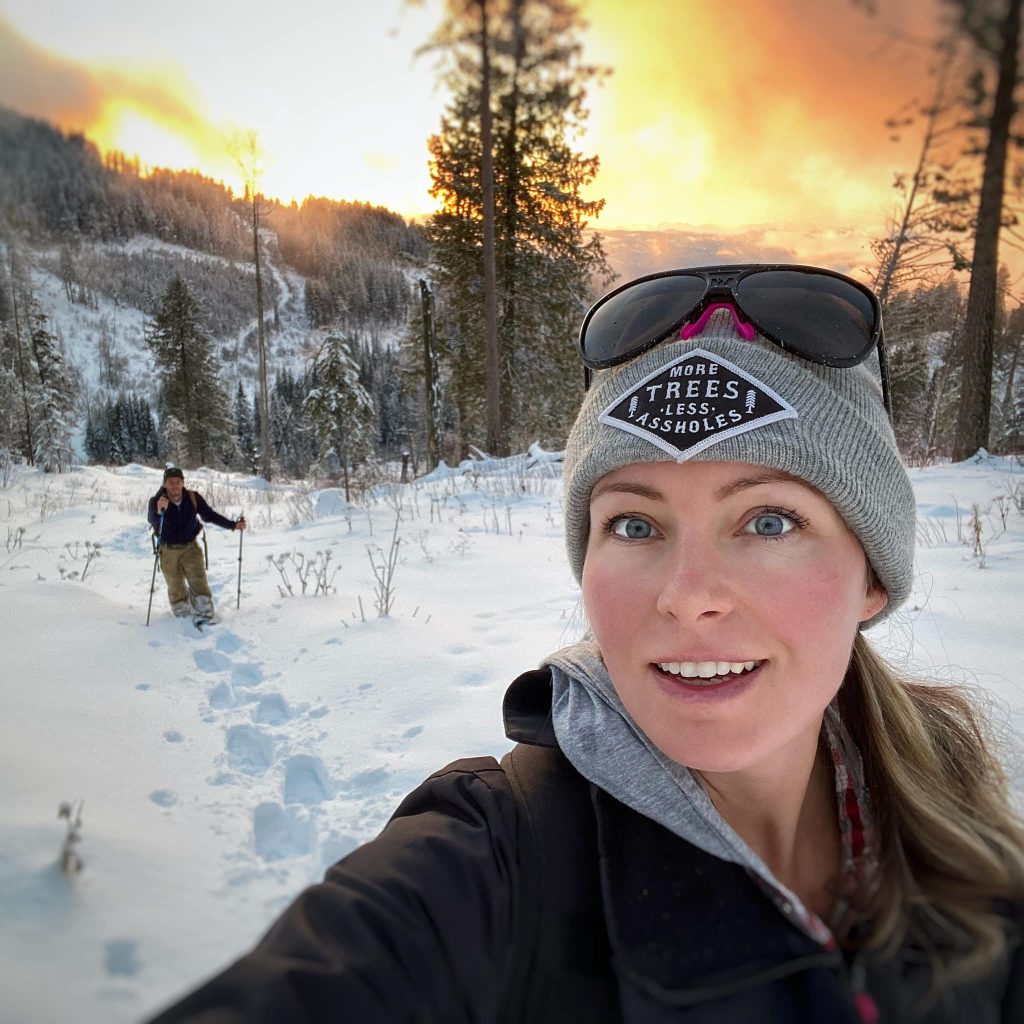
Honestly, the most essential system is a positive attitude. Everything else fails at some point, and the ability to adapt and problem-solve is what keeps life running. Beyond that, water storage and purification, a wood stove, and proper clothing plus snowshoes are critical. (Snowshoes because I literally can’t walk outdoors without them.)
What was the most difficult system to set up (electricity, water, waste management, etc.), and why?
Water. I made all of the mistakes with water that you can. My first winter I simply didn’t have enough. The second winter we stored plenty but it froze. It’s gotten a lot easier over the years, and learning from mistakes. Solar is simple, as long as you keep your needs simple.
How did you secure your water source? (e.g., well, rain catchment, nearby water body)
We rely on a nearby natural spring, which we developed a spring head for, and we also collect snow and melt it during the winter.
Do you grow or raise your own food? If so, what’s the process like, and how much of your diet does it cover?
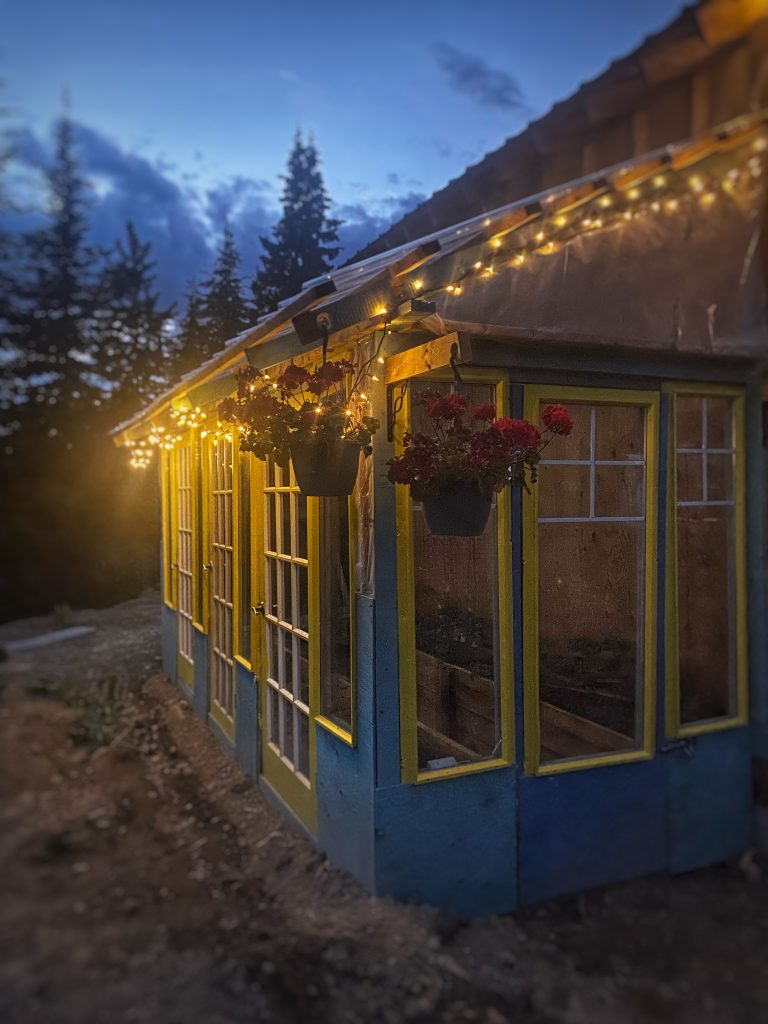
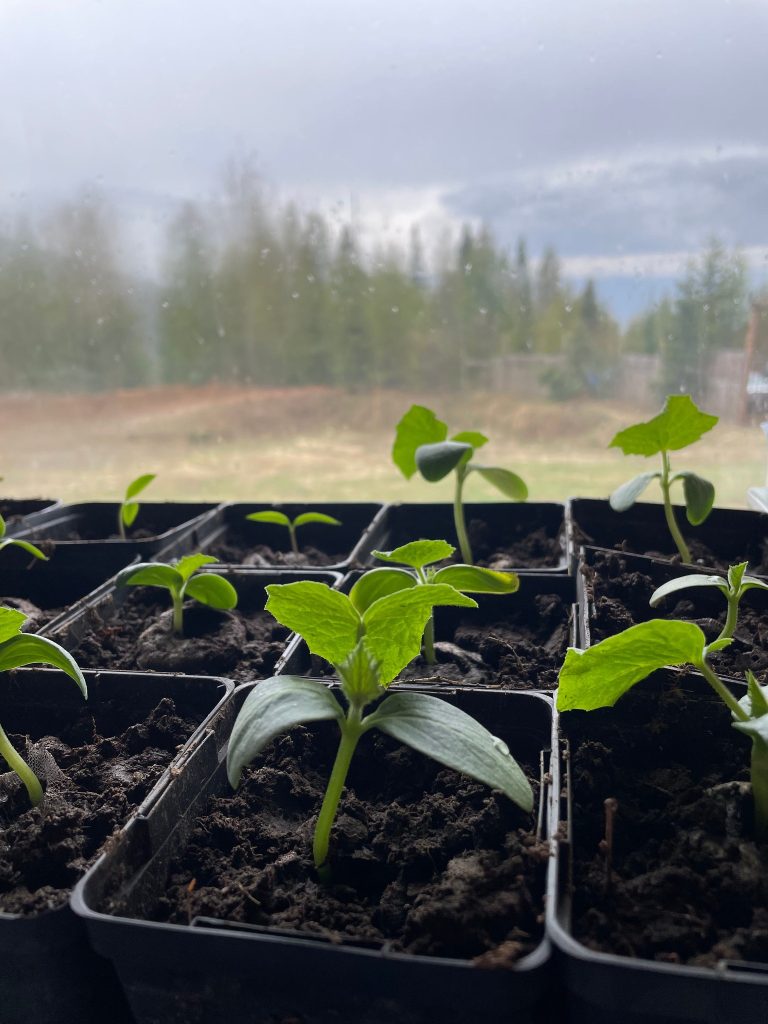
Because I’m at a subalpine elevation, growing crops is challenging due to short growing seasons and shallow soil. This year I saw a lot of success in the greenhouse I built out of repurposed windows and doors. Using manure from goats and rabbits, I have a great base for bigger gardens next year.
I farm rabbits, chickens and ducks. In the past I’ve had goats and pigs, which I butchered and put in the freezer, but rabbits are the best animal to farm for meat, in my opinion. I’ve become an opportunistic forager, and harvest a lot of different things through the summer. I love to harvest stinging nettle and lamb’s quarters in abundance.
I’d say around 70% of my meat and 40% of my vegetables (including wild edibles) come from the property. With every year those percentages are going up.
Reflective and Insightful Questions
What’s been the most rewarding part of living off-grid?
There’s been a distinctive change in my problem-solving and critical-thinking skills. Living off-grid forces you to approach challenges creatively and without the usual safety nets. There’s no such thing as an impossible problem. Everything has a solution, a workaround, or an adaptation if you’re willing to experiment and learn.
Even small successes, like fixing a broken water line or getting a stubborn solar panel system working, feel monumental because they directly impact your daily life. It’s empowering to realize you can rely on your own skills and instincts to solve problems that once might have seemed overwhelming.
What’s been the hardest part of living off-grid that you didn’t expect?
I didn’t anticipate how challenging it would be to share my experience online. While I love showing people they can live off-grid, the trolls, haters, doubters, and occasional misogynists can be exhausting. Some days, their negativity makes me consider unplugging from the internet entirely. It’s a strange paradox: living a life that’s more connected to nature and community can feel isolating in the digital world, where cynicism and judgment are everywhere.
Would you recommend off-grid living to others? Why or why not?
If freedom and self-sufficiency are what you crave—absolutely. Living off-grid teaches resilience, patience, and a deeper understanding of the natural world. But it’s not for everyone; it requires a willingness to embrace unpredictability and to solve problems without always calling for help. If you want a life that’s your own, away from constant noise and over-consumption, it can be incredibly rewarding.
What advice would you give to someone considering going off-grid?
Find a way to try it before you commit. Volunteer, do a work-away, or stay with someone who’s already living off-grid. You can research endlessly, read countless articles, and plan meticulously, but you won’t truly understand the lifestyle until you experience it. Even a short-term experiment will teach you lessons you can’t get from books or videos.
If you could go back and do anything differently, what would it be?
I ask myself this all the time. Honestly, I’m not sure there’s anything I’d truly change. Sure, there are small things I might do better—positioning the house slightly differently, or designing the garden layout more efficiently—but every choice comes with trade-offs. Some days I wish my house were perched at the very top of the mountain with expansive views. Other days I wish it were closer to the spring for easier water access. Every version of the “ideal” has its challenges.
How has living off-grid changed your perspective on modern life and society?
I’ve always struggled with consumerism, but living off-grid has amplified that perspective. It’s shocking how much of modern life is built around consumption and waste, and it’s clear we could collectively be doing much better.
At the same time, I’ve gained a newfound respect for grid-tied systems. When you rely on yourself for everything—heat, water, food—you truly appreciate the convenience of infrastructure that most people take for granted. Running water, electricity, and readily available food are amazing achievements, even if they’re imperfect.
Have you faced any significant emergencies or crises while living off-grid? How did you handle them?
Two years ago, I had a near-miss with a wildfire. It was terrifying, and it reminded me of the importance of preparation. I had a clear evacuation plan: I loaded my motorhome, which I call ‘the guest house,’ with my pets and irreplaceable items. Even with planning, it’s a stressful experience, and it highlighted areas where I need to improve—like cutting more trees and clearing brush to reduce fire risk. It was a stark reminder that living off-grid comes with real, sometimes dangerous, responsibilities.
Daily Life and Details
What does a typical day look like for you now compared to your life before going off-grid?
My days vary drastically between summer and winter. In summer, I’m up at 6 a.m., diving straight into projects, moving water, tending animals, foraging, and maintaining the property. Winter slows things down. I wake a bit later, relax, and watch the snow fall while still keeping up with essential tasks.
Before, I lived in Fort McMurray and worked in the oilsands for ten years. My days were rigid: 5 a.m. wake-ups, 12-hour shifts, long commutes, and smelling perpetually like a petroleum plant. I loved nature, but I didn’t understand it the way I do now. Today, my sense of time is dictated by sunlight, weather, and seasonal cycles, not by shifts or traffic. Now I’m more likely to smell like a goat than crude oil.
What’s the biggest misconception people have about off-grid living?
The biggest misconception I encounter is that off-grid living has a “look.” People are often surprised to meet someone who doesn’t fit their mental image of a rugged mountain hermit. I’ve had strangers say, “You don’t look like you live on a mountain in the middle of nowhere,” and all I can do is laugh—especially when I smell like a goat. Off-grid life is diverse; there’s no single way to look or live.
How do you handle waste and sanitation on your property?
I take my garbage to the dump, and greywater from my kitchen and bath flows into the future orchard, using biodegradable soaps. My outhouse is a simple hole in the ground. It’s basic, efficient, and aligns with the self-sufficient lifestyle I’m building.
What do you do for entertainment and relaxation while living off-grid?
I read, stream TV, hike, do crafts, journal, and write my blog. Life is simpler, but that simplicity allows me to focus on activities I truly enjoy rather than being distracted by consumerist pressures.
How do you stay connected (if at all) to the outside world?
I use an LTE Wi-Fi router that taps into cellular signals. It consumes far less power than Starlink and allows me to stay in touch, check weather reports, and connect with my community online without being tethered to constant high-bandwidth internet.
Have you encountered wildlife or other unexpected environmental challenges? How did you adapt?
A few years ago, a particularly aggressive bear became a problem. After multiple warnings, I took it down. I had never eaten bear before, but it turned out to be incredibly tasty—like rich, lean beef. I later discovered the bear had bitten a hole in my dirtbike tire, which made the decision feel more justified. Living off-grid means coexisting with wildlife, but sometimes difficult choices must be made to protect yourself, your property, and your animals.
How do you manage your health and access to medical care while living off-grid?
I registered my GPS coordinates with the local police station so they can find me in an emergency. Winter access is limited, so I keep a well-stocked stash of emergency medications. I also monitor my health closely and take preventive measures to avoid accidents, knowing that professional help may be hours away.
Wrap-Up Questions
What’s one thing about off-grid living that surprised you the most?
The sense of community. I expected isolation, but instead I’ve made genuine friendships with neighbours in the nearest town. We help each other during emergencies, share resources, and enjoy each other’s company. Moving into the woods doesn’t mean leaving humanity behind—it just shifts how you connect with it.
What’s your proudest accomplishment since going off-grid?
The knowledge I’ve accumulated. From building, farming, and animal care to emergency preparedness, I’ve learned skills and lessons that would be impossible to gain in a conventional lifestyle. Knowing how little I can live with and feeling literally and figuratively bomb-proof. That kind of experience is invaluable and permanent.
If someone were to visit your off-grid property, what would you show them as your favorite feature or system?
I love taking people to the top of the property to enjoy the 360-degree views, especially at sunset. It’s a tangible reward for years of hard work and a reminder of why I chose this life.
What are your future plans or goals for your off-grid setup?
We’ve spent the past five years transforming bare land into a livable homestead. The next step is enhancing self-sufficiency and self-reliance. This year marks the first full season with the new greenhouse, and the success I saw with it was downright thrilling. I have a freezer full of my own meat and veg, and foraged plants to get me through winter.
I’m excited to continue experimenting with crops, preserving food, and further reducing reliance on outside resources. A root cellar will be a part of next year’s plans, and hopefully not much more than that. The past few years have been a lot of hard work and learning, and I’m hoping to take things a bit easier this year, while still pursuing my self-reliance and sustainability goals. (Ha! Wish me luck.)
Final Thoughts
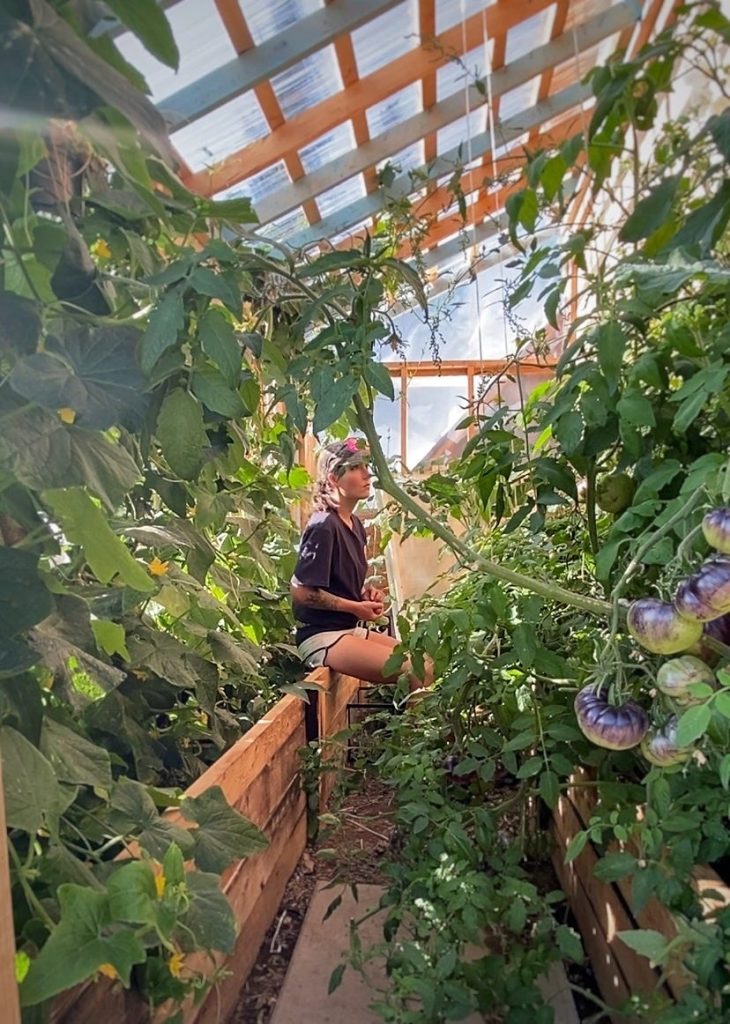
Amy Jay’s story leaves us grounded in the real grit of off-grid life—no glossy filters, just the honest rhythm of hauling water, splitting wood, and coaxing soil from rocky slopes.
Five years in, she’s traded 12-hour oilsands shifts for sunrise chores dictated by sunlight and snowpack, proving that self-sufficiency isn’t a fantasy reserved for survivalists or the ultra-wealthy.
It’s built one deliberate choice at a time: saving aggressively, improvising systems, learning from frozen pipes and failed crops, and leaning on a partner who shares the vision.
Her freezer stocked with home-raised meat, her greenhouse yielding greens against short seasons, and her 360-degree sunset perch all testify to persistence over perfection.
This isn’t about escaping society; it’s about reclaiming agency within it. Amy still streams shows, blogs her lessons, and drives to the dump—modern threads woven into a simpler tapestry.
The challenges remain: water wars with winter, wildlife negotiations, digital detractors. Yet each hurdle sharpens the same muscle: creative, calm problem-solving that turns “impossible” into “next experiment.” Her proudest gain? A bomb-proof skill set and the quiet certainty that less can sustain more.
The off-grid dream is universal in its core—we all crave freedom, autonomy, peace, and happiness unhooked from endless consumption. But it’s uniquely personal in execution: your plot might slope south for solar gain, mine might hug a creek for gravity-fed water; one homestead thrives on goats, another on mushrooms.
The path is long—decades of trade-offs, savings, and trial-and-error—but Amy stands as living evidence that it’s achievable. Start small, stay curious, adapt relentlessly. Your version of the dream is waiting, one practical step up the mountain at a time.
Connect with Amy
Blog and passion project: Wild Life with Amy Jay — https://amyjay.substack.com/
Instagram: @amy_m_jay
Facebook: amy.jay.71868
Originally published in OGLS (Off Grid Living & Survival).